

contact@vericarelabs.com

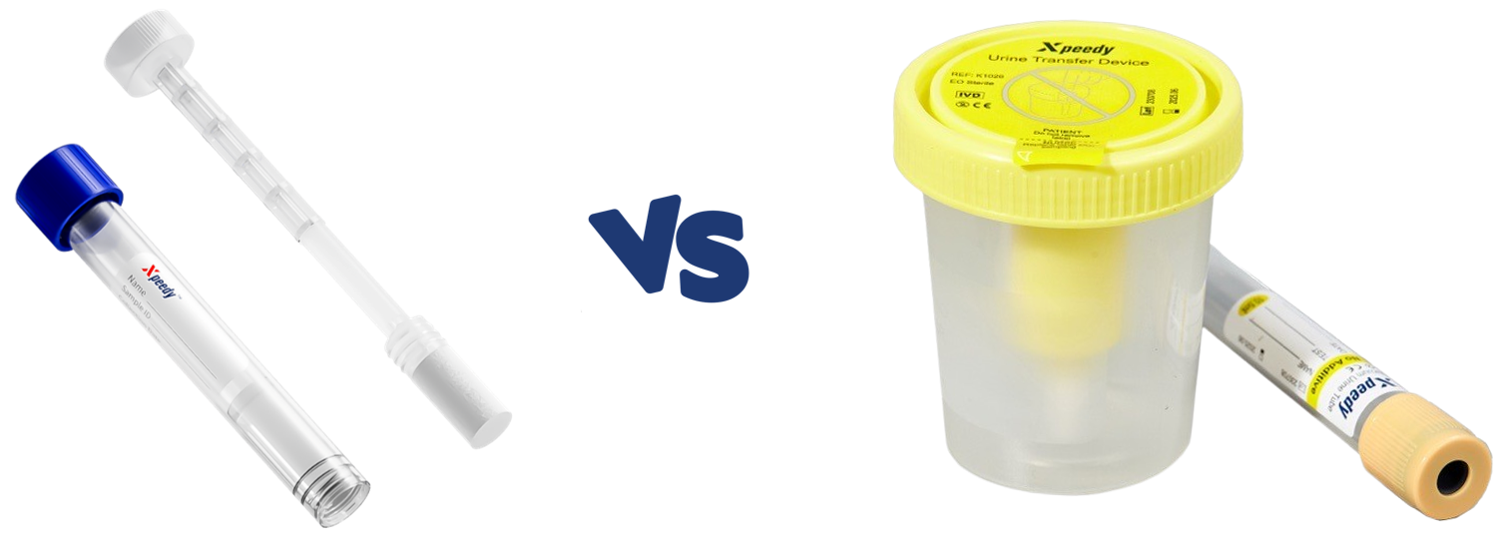
Drug testing programs have traditionally relied on urine as the primary specimen for workplace, clinical, and forensic testing. However, oral fluid testing has gained significant momentum in recent years due to advances in laboratory technology, regulatory acceptance, and a growing appreciation of its unique advantages.
Different Specimens, Different Information
Urine and oral fluid do not provide identical information. Urine testing primarily detects drug metabolites that are excreted by the body and can remain detectable for days after use. Oral fluid testing, by contrast, is more likely to detect parent drugs and generally reflects more recent exposure, often within the previous 24–48 hours.¹
Because oral fluid is collected directly from the mouth, it also provides a specimen that is closely linked to the donor at the time of collection. Observed collection procedures reduce opportunities for specimen substitution or adulteration and eliminate many of the challenges associated with urine collection, such as shy bladder situations and restroom requirements.
Looking Beyond Analytical Sensitivity
Traditionally, drug testing discussions have focused on analytical sensitivity, the ability of a laboratory method to detect a drug when it is present in a specimen. However, experts at the 2026 National Drug and Alcohol Screening Association (NDASA) conference emphasized a broader concept known as system sensitivity.
System sensitivity considers the entire testing process, including specimen collection, donor behavior, specimen integrity, and laboratory analysis. In other words, a testing system must not only be capable of detecting drugs, but must also consistently obtain an authentic specimen from the intended donor.
Recent analyses presented at NDASA 2026 reported that organizations transitioning from urine testing to oral fluid testing observed substantially higher positivity rates among comparable populations. In one workplace program, oral fluid testing identified approximately 3.3 times more positive results than urine testing, while a healthcare program reported a 2.6-fold increase following conversion to oral fluid testing.
Vericare's Approach
At Vericare Laboratories, we recognize that different testing situations may require different specimen types. Our comprehensive toxicology services support both urine and oral fluid testing, allowing clinicians, employers, and program administrators to select the approach that best fits their objectives.
For organizations seeking information about recent drug exposure, observed collection, and enhanced specimen integrity, oral fluid testing offers a compelling alternative to traditional urine testing. Combined with high-sensitivity LC-MS/MS confirmation methods, oral fluid testing provides accurate and actionable information while supporting a streamlined collection experience for both donors and collection sites.
As drug testing continues to evolve, understanding the strengths and limitations of each specimen type allows testing programs to make informed decisions based on their specific clinical, operational, and compliance needs.
References
1. Tedrow J. Oral Fluid Testing: What We Can Agree On. NDASA Annual Conference, 2026. Oral fluid typically reflects recent drug exposure and commonly identifies parent drugs rather than metabolites.
2. Tedrow J. Evaluating Workplace Drug Testing Effectiveness: A System Sensitivity Framework for Urine and Oral Fluid Testing. April 2026.
3. Tedrow J. Oral Fluid vs. Urine: The Data Is Clear—So Why Hasn't the Industry Moved? NDASA Annual Conference, 2026.